
Natural flooring has become a defining element of modern interior design, and jute-based options sit at the center of this shift. Homeowners today look for materials that feel warm, look authentic, and align with sustainable living values. Jute rugs answer all three needs by combining organic texture with understated visual appeal. They work equally well in minimalist apartments and layered family homes, offering a neutral base that supports different furniture styles. Beyond aesthetics, buyers are also evaluating durability, climate suitability, and long-term maintenance before investing. Understanding how jute performs, how it compares to other flatwoven rugs, and how it fits into real-life living spaces is essential. This guide breaks down the practical and design considerations that matter most when selecting jute rugs for contemporary homes.
Why jute rug materials are ideal for sustainable interiors
Sustainability is no longer a trend but a core requirement for many homeowners, and jute fits naturally into this mindset. A jute rug is produced from plant fibers that are renewable, biodegradable, and require minimal chemical processing. This makes jute a low-impact material compared to synthetic alternatives.
In sustainable interiors, jute contributes more than just eco-credentials. Its natural color tones reduce the need for artificial dyes, while its coarse-yet-balanced texture adds depth without visual clutter. Designers often use jute in spaces where balance and calm are priorities, such as living rooms and bedrooms.
Key sustainability benefits include:
- Rapid renewability of jute plants
- Low water and pesticide requirements during cultivation
- Minimal processing compared to synthetic fibers
- Biodegradability at end of life
These qualities allow jute rugs to support environmentally responsible interiors without compromising on comfort or visual warmth.
Differences between flatwoven kilim designs and jute textures
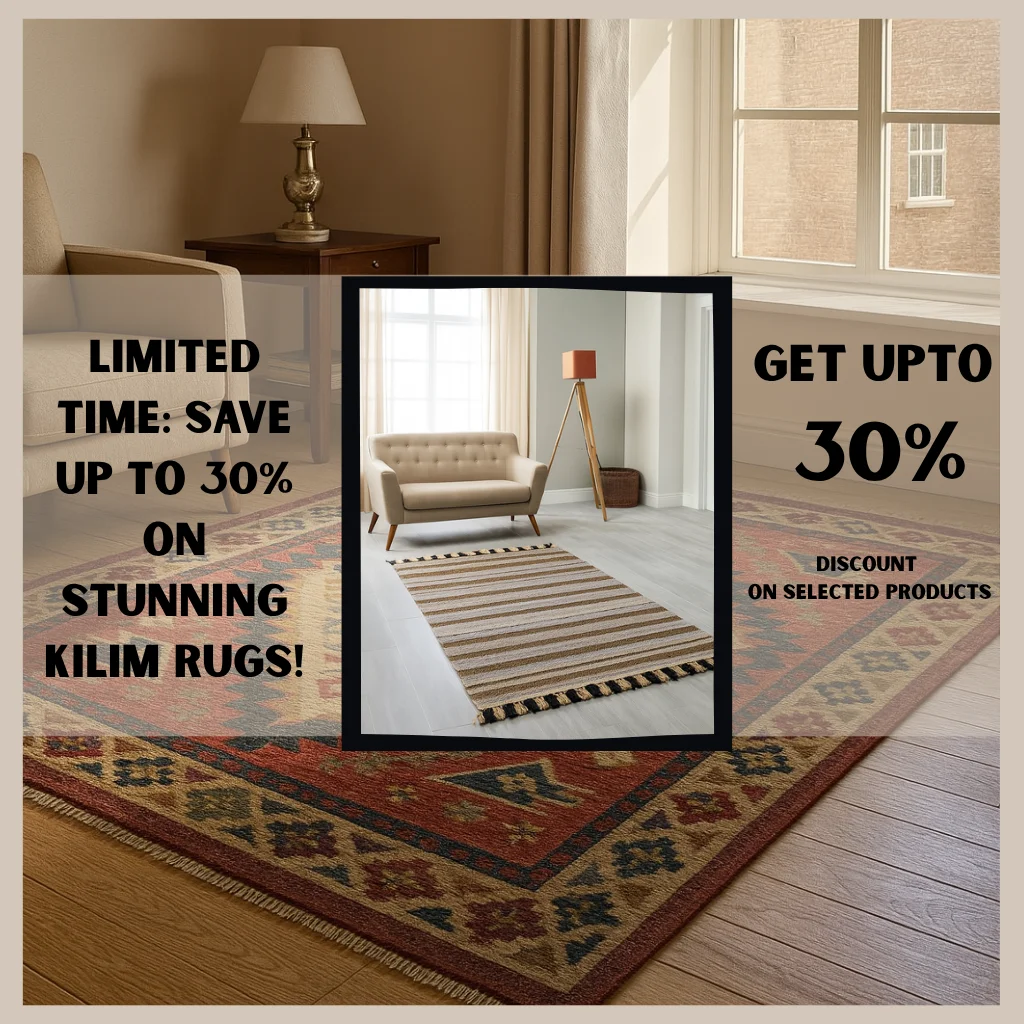
While jute rugs are valued for texture, kilim rugs are known for pattern and color. Understanding the difference helps buyers choose the right option for each space. Flatwoven kilims are typically made using tight weaving techniques that create thin, reversible rugs with bold geometric designs.
When comparing jute textures with kilim rugs for sale, the contrast becomes clear. Jute focuses on tactile richness and organic appearance, whereas kilims emphasize visual storytelling through motifs and cultural patterns. Kilims are often lighter and easier to move, while jute rugs feel heavier and more grounded.
From a functional perspective, jute works best as a neutral foundation, while kilims act as accent pieces. Choosing between them depends on whether the space needs visual energy or textural stability. Many modern interiors successfully combine both by layering kilims over jute bases.
How jute carpets perform in high-traffic residential areas
Performance is a major concern for households with frequent foot traffic. Jute fibers are naturally strong, but they behave differently from wool or synthetic carpets. In high-traffic areas, tightly woven jute carpets maintain structure better and show less flattening over time.
In urban homes, jute carpets dubai are commonly used in living rooms, corridors, and open-plan spaces. Their performance depends heavily on weave density and backing quality. While jute resists everyday wear, it is sensitive to moisture and friction from heavy furniture.
To improve longevity in busy areas, homeowners should:
- Use rug pads to reduce movement
- Rotate rugs periodically to balance wear
- Avoid placing jute in damp or spill-prone zones
With proper placement and care, jute carpets can handle consistent use while maintaining their natural appeal.
Color, weave, and thickness factors when choosing jute rugs
Not all jute rugs are created equal, and small construction details significantly affect performance and appearance. Color variations occur naturally due to fiber maturity and processing methods. Lighter tones feel airy and modern, while darker jute shades add warmth and grounding.
Weave type is equally important. Chunky braids create bold texture but may trap dust, while flatweaves offer easier maintenance. Thickness impacts comfort underfoot and how the rug interacts with furniture placement.
Buyers should evaluate:
- Natural versus blended jute fibers
- Tightness of weave for durability
- Edge finishing to prevent fraying
- Thickness relative to door clearance
Matching these factors to room function ensures the rug enhances both style and practicality without unexpected compromises.
Styling jute rugs with contemporary and rustic furniture
Jute rugs are remarkably versatile when it comes to styling. In contemporary interiors, they soften clean lines and neutral palettes by introducing organic texture. Paired with leather sofas, metal accents, or glass tables, jute adds warmth without competing visually.
In rustic or farmhouse settings, jute feels even more natural. It complements wood finishes, linen upholstery, and handcrafted décor. Layering is a popular technique, where patterned rugs sit atop jute to add depth and seasonal flexibility.
Effective styling tips include:
- Centering jute rugs under key furniture groupings
- Using them as base layers for smaller accent rugs
- Pairing with natural materials like wood and stone
This adaptability makes jute a reliable design element across evolving interior styles.
Care, cleaning, and long-term maintenance of jute carpets
Proper care is essential to protect the lifespan of jute carpets. Unlike synthetic fibers, jute reacts poorly to excess moisture. Vacuuming should be gentle and regular to prevent dirt buildup without pulling fibers.
Spills must be addressed immediately using dry cloths rather than water. For deeper cleaning, professional dry-cleaning methods are recommended. Sun exposure should also be moderated, as prolonged direct light can cause uneven fading.
Conclusion and FAQs:
Jute rugs reward mindful ownership with long-term beauty and comfort. When chosen carefully and maintained properly, they remain stable, stylish, and functional for years.
FAQs
What is the difference between jute and kilim rugs?
Jute emphasizes texture and neutrality, while kilims focus on patterns and color.
Are jute rugs suitable for humid climates like Dubai?
Yes, if kept dry and well-ventilated.
How long do jute carpets typically last indoors?
With proper care, they can last many years.
Can jute rugs be used under dining tables?
They can, but spills must be managed quickly.
How do you clean and maintain natural jute fibers?
Regular vacuuming and dry cleaning are recommended.