
Natural rugs continue to shape modern interiors, and jute remains one of the most requested materials among homeowners. Its raw texture, neutral tone, and eco-friendly profile make it appealing across different design styles. However, buying jute rugs requires more than selecting a size and color. Quality varies significantly depending on fiber grade, weaving method, and retailer standards. Shoppers often rely on professional carpet stores to guide them through these decisions. Understanding how jute rugs are made, how to assess their quality, and where they perform best helps buyers make confident, long-term choices. This guide explores what to look for when purchasing jute rugs and how reputable sellers add value beyond the product itself.
What makes jute rugs a popular natural flooring choice today
The popularity of jute rugs stems from a combination of aesthetics and ethics. Jute offers a handcrafted appearance that aligns with the growing demand for organic, lived-in interiors. Unlike glossy synthetic rugs, jute feels authentic and grounded.
Functionally, jute rugs provide insulation, reduce echo, and define spaces without overwhelming them visually. Their neutral palette supports flexible styling, making them suitable for long-term use even as furniture and décor change.
Additional reasons for popularity include:
- Renewable plant-based fibers
- Low environmental footprint
- Compatibility with modern and traditional interiors
- Wide availability in custom and standard sizes
These attributes position jute as a practical yet design-forward flooring solution.
Comparing quality standards across modern carpet stores
Not all retailers apply the same quality benchmarks, which is why choosing reliable carpet stores matters. High-quality sellers focus on fiber consistency, weave density, and finishing details that extend rug lifespan.
Professional stores often inspect rugs for loose fibers, uneven edges, and backing integrity. They also provide transparency regarding fiber sourcing and production methods. In contrast, lower-quality outlets may prioritize price over durability, leading to premature wear.
Key quality indicators to evaluate include:
- Uniform fiber thickness
- Tight, consistent weaving
- Reinforced edges
- Clear care instructions
Buying from reputable stores reduces uncertainty and ensures the rug performs as expected over time.
Common weave patterns used in premium jute rugs explained
Weave pattern directly affects how a jute rug looks and functions. Flatweave jute rugs offer a clean, minimalist profile and are easier to maintain. Braided weaves create a bold, tactile surface that suits rustic interiors but requires more upkeep.
Hand-loomed weaves are often considered premium due to tighter construction and better durability. Machine-made jute rugs may be more affordable but can lack the character and resilience of handcrafted options.
Understanding weave differences allows buyers to align expectations with usage. For example, flatweaves work well in dining areas, while braided styles suit lounges where texture is the priority. Matching weave to room function ensures long-term satisfaction.
Choosing the right size jute rug for living spaces
Size selection plays a major role in how a jute rug interacts with furniture and room layout. Rugs that are too small can make spaces feel fragmented, while oversized rugs may overpower the room.
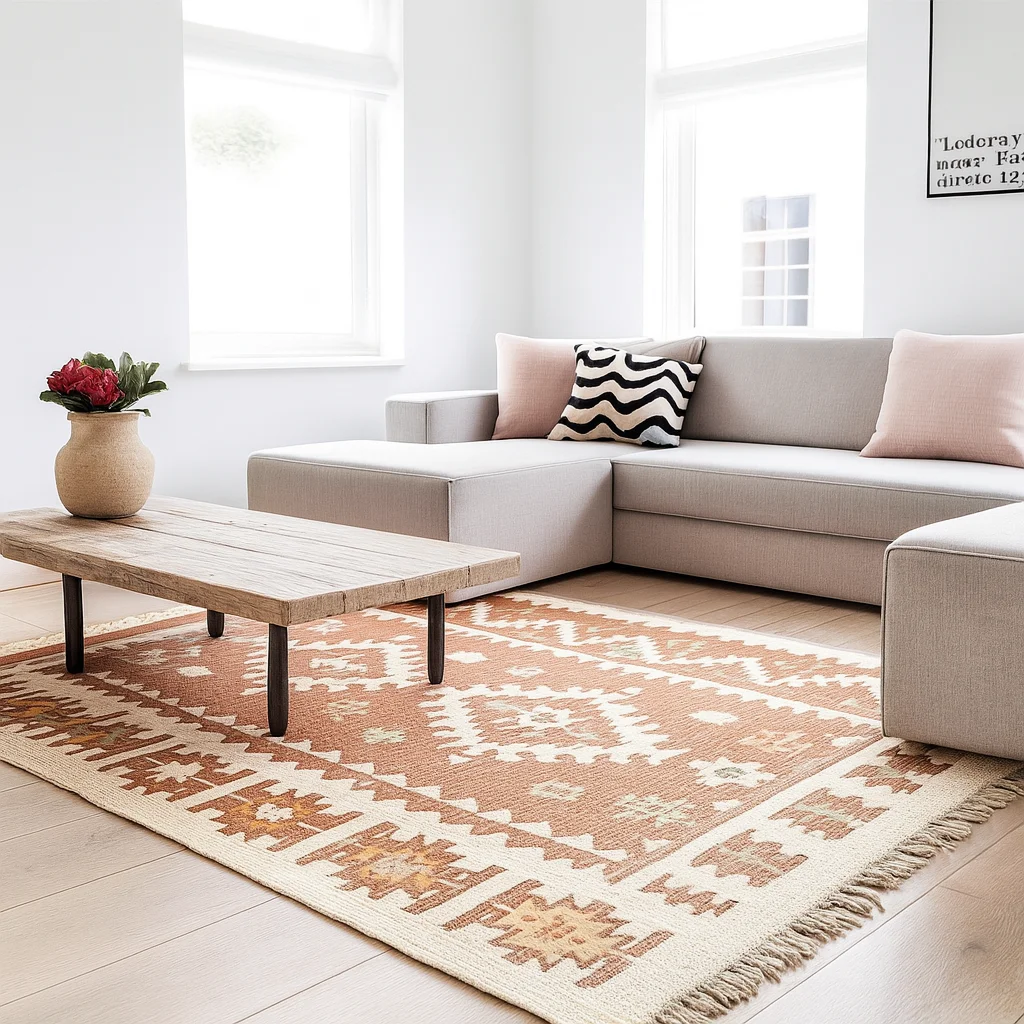
For living rooms, jute rugs should anchor seating areas by extending under front legs of sofas and chairs. In bedrooms, placing rugs beneath the bed adds warmth and balance. Entryways benefit from runners that guide movement and protect flooring.
Buyers should measure carefully and consider traffic flow before purchasing. Trusted retailers often provide sizing guidance, helping avoid costly mistakes and ensuring visual harmony within the space.
Durability expectations of jute rugs in daily use areas
Jute rugs are durable when used appropriately. They perform best in dry, moderate-traffic areas such as living rooms, bedrooms, and home offices. Constant friction or moisture exposure can weaken fibers over time.
A jute carpet dubai environment requires mindful placement due to climate factors. Using rug pads, rotating rugs, and avoiding wet cleaning methods significantly extends lifespan.
When expectations align with material characteristics, jute rugs offer reliable performance and consistent appearance over many years of use.
Tips for pairing jute rugs with wooden or tiled floors
Jute rugs complement both wooden and tiled floors by softening hard surfaces. On wood, they add contrast without hiding natural grain. On tiles, they introduce warmth and reduce echo.
Design tips include:
- Choosing neutral jute tones for dark floors
- Using rug pads to protect flooring
- Layering patterned rugs over jute for depth
These strategies allow jute rugs to enhance flooring rather than compete with it.
Conclusion and FAQs combined
Jute rugs offer a balanced mix of sustainability, style, and function when sourced from reliable sellers. By understanding quality markers, weave options, and proper placement, buyers can invest with confidence.
FAQs
Are jute rugs eco-friendly and sustainable?
Yes, jute is renewable and biodegradable.
How do carpet stores grade jute rug quality?
They assess fiber strength, weave density, and finishing.
Are jute rugs suitable for apartments and villas?
They work well in both, with proper placement.
What backing is best for jute rugs to prevent slipping?
Natural rubber or felt pads are ideal.
Where should jute rugs not be placed at home?
Avoid damp areas like bathrooms or kitchens.