
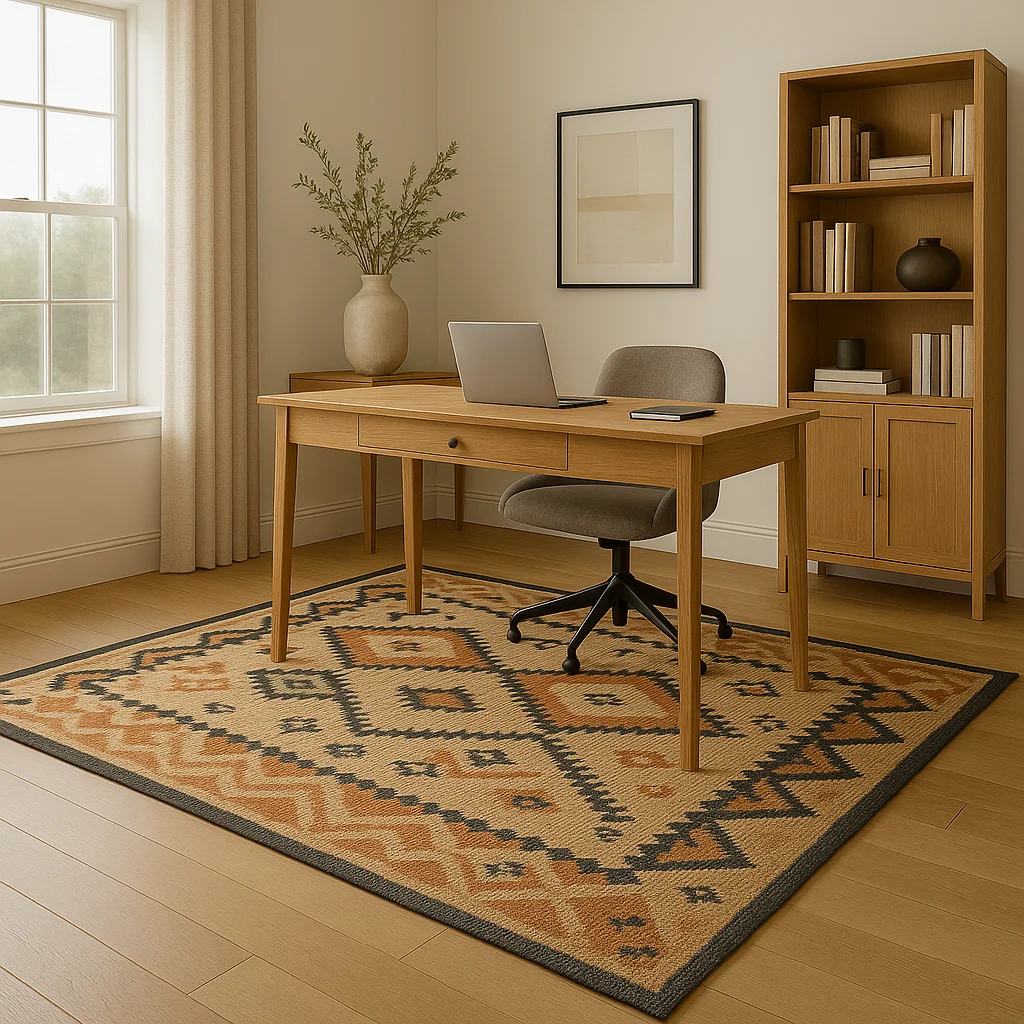
Office environments demand flooring that balances durability, comfort, and professional appearance. Carpets remain a preferred choice due to their acoustic benefits, safety, and ability to define work zones. Modern offices, however, require more than traditional solutions. Decision-makers now evaluate performance, maintenance requirements, and visual impact before installation. Selecting the right office carpet influences employee comfort, productivity, and brand perception. From material choice to color selection, each factor plays a role in long-term satisfaction. This article explores essential considerations for choosing office carpets that support both functional demands and contemporary workplace design.
Why office carpet selection impacts productivity and comfort
Flooring directly affects how employees experience their workspace. A well-chosen office carpet reduces noise, minimizes fatigue, and creates a comfortable environment for focused work. Hard flooring often amplifies sound and feels cold underfoot, whereas carpeted surfaces soften movement and acoustics.
Comfort contributes to productivity by reducing distractions. Carpets also improve indoor air quality by trapping dust until it is vacuumed, rather than allowing particles to circulate freely.
Productivity benefits include:
- Reduced footstep and equipment noise
- Improved thermal comfort
- Safer walking surfaces
- Clear zoning of work areas
These factors collectively enhance daily work performance.
Key performance features required in commercial office carpets
Commercial carpets must meet stricter performance standards than residential options. Durability, stain resistance, and ease of maintenance are critical in high-traffic environments. Dense pile construction helps carpets retain shape under constant use.
Fire resistance and anti-static properties are also important in office settings, particularly where electronic equipment is used extensively. Quality backing systems prevent curling and extend service life.
Decision-makers should evaluate performance ratings and warranties to ensure carpets align with expected usage levels and maintenance capabilities.
Advantages of installing office carpets in Dubai workplaces
Climate and building design influence flooring performance. office carpets dubai are designed to withstand temperature variations and heavy daily use. They help regulate indoor acoustics in open-plan offices and provide insulation against heat transfer from floors.
In commercial buildings, carpets also contribute to a polished, professional appearance. Modular carpet tiles are particularly popular due to ease of replacement and flexibility during office reconfiguration.
These advantages make carpet a practical solution for modern Dubai workplaces.
Using dark and black carpets for professional interiors
Color choice significantly impacts office aesthetics. Dark tones convey professionalism, reduce visible wear, and ground large spaces visually. black carpets dubai are often used in executive offices, boardrooms, and high-traffic corridors.
While dark carpets hide stains effectively, they must be paired with proper lighting to avoid making spaces feel enclosed. Texture and subtle patterning add visual interest without distraction.
When used strategically, dark carpets support a refined, corporate atmosphere.
Acoustic and thermal benefits of carpeted office flooring
Carpets play a crucial role in managing sound levels within offices. They absorb noise from footsteps, conversations, and equipment, improving speech clarity and reducing stress. Thermal insulation is another key benefit, helping maintain stable indoor temperatures.
These functional advantages contribute to energy efficiency and employee comfort, particularly in large commercial spaces with hard structural surfaces.
Maintenance planning for long-term office carpet durability
Longevity depends on consistent maintenance. Regular vacuuming, prompt stain removal, and periodic deep cleaning preserve appearance and hygiene. High-traffic zones may require more frequent attention.
Maintenance plans should align with carpet material and office usage patterns. Preventive care reduces replacement costs and maintains a professional environment.
Conclusion and FAQs combined
Office carpets remain a strategic investment when selected and maintained correctly. They support comfort, acoustics, and visual identity across diverse workplace settings.
FAQs
What type of office carpet is best for heavy foot traffic?
Dense, low-pile commercial carpets perform best.
Do carpets improve acoustics in office environments?
Yes, they significantly reduce noise levels.
Are black carpets practical for commercial offices?
They hide wear and suit professional interiors.
How often should office carpets be professionally cleaned?
Typically every 6–12 months.
What carpet materials are best for corporate interiors?
Nylon and high-performance blends are commonly used.