
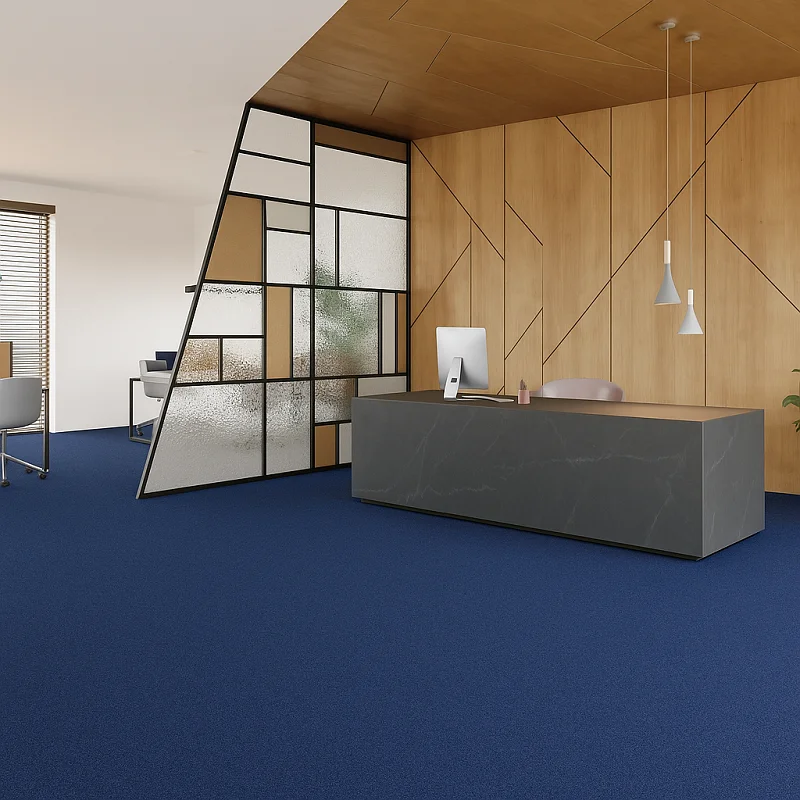
Luxury hospitality interiors rely heavily on flooring choices to define first impressions, comfort levels, and long-term durability. In hotels, rugs are not decorative extras but functional design elements that influence how guests perceive quality and attention to detail. From reception areas to corridors and suites, the right rug selection supports branding, acoustics, and safety while withstanding constant foot traffic.
Modern hotel projects in Dubai require careful alignment between visual appeal and technical performance. Designers must balance color palettes, pile height, material strength, and maintenance demands without compromising elegance. This guide explores how professional rug selection enhances hotel environments, supports operational efficiency, and contributes to memorable guest experiences. It also addresses how flooring decisions connect design vision with practical realities in luxury hospitality settings.
Understanding how hotel rugs impact guest comfort and brand perception
Guest comfort begins the moment someone steps into a hotel lobby. Soft, well-fitted rugs reduce noise, provide warmth underfoot, and immediately signal quality. Well-chosen hotel rugs help establish emotional connections by reinforcing brand identity through texture, pattern, and color consistency across spaces.
Hotels that invest in premium rugs often benefit from stronger brand recall. A thoughtfully designed rug can subtly communicate luxury, calmness, or cultural identity without overwhelming the interior. Beyond aesthetics, rugs also improve safety by reducing slip risks and guiding movement through open-plan areas.
From a branding perspective, rugs act as visual anchors. They frame furniture layouts, define zones, and create visual rhythm across floors. Guests may not consciously analyze these elements, but they feel the difference. Comfort, coherence, and confidence in the environment translate directly into higher satisfaction and positive reviews.
Choosing carpet flooring in Dubai for high traffic hospitality areas
Hospitality spaces in Dubai face intense usage, making flooring performance non-negotiable. Selecting carpet flooring in dubai requires understanding traffic flow, climate conditions, and maintenance capabilities. High-density fibers, reinforced backing, and commercial-grade pile construction are essential for longevity.
Entrance halls, corridors, and banquet areas demand carpets that resist crushing and staining while maintaining appearance. Materials such as solution-dyed nylon and wool blends are commonly preferred for their resilience and color stability. Equally important is professional installation, ensuring seams remain invisible and edges stay secure under constant movement.
Hotels that prioritize technical specifications over short-term cost savings typically see better lifecycle value. Durable carpet flooring reduces replacement frequency, minimizes downtime, and supports consistent visual standards across departments. In competitive hospitality markets, these operational advantages directly impact profitability and guest experience.
Design advantages of green color carpets in modern hotel interiors
Color psychology plays a major role in hospitality design, and green color carpets are increasingly favored for their calming and versatile qualities. Green tones evoke balance, nature, and relaxation, making them ideal for lounges, spa corridors, and executive areas.
Unlike bold or overly neutral shades, green adapts easily to both classic and contemporary themes. It pairs well with wood finishes, metallic accents, and neutral furnishings, offering designers flexibility across renovation cycles. In luxury hotels, muted green carpets can soften large spaces without dulling their sophistication.
Beyond aesthetics, green hues are practical. They conceal minor stains and wear patterns better than lighter colors, supporting a polished look between maintenance cycles. When thoughtfully applied, green carpets enhance ambiance while aligning visual comfort with operational practicality.
Durability standards required for rugs used in hotels and resorts
Hotel rugs must meet strict durability benchmarks to perform reliably in demanding environments. Fiber quality, pile density, backing strength, and edge finishing all contribute to lifespan. Rugs designed for hospitality are tested for abrasion resistance, colorfastness, and dimensional stability.
Key durability considerations include:
- High pile density to prevent matting and flattening
- Commercial-grade backing to maintain shape
- Stain-resistant treatments for easier cleaning
- Fire-retardant compliance for safety regulations
Resort environments add further challenges such as humidity and sand exposure. Selecting rugs that maintain structural integrity under these conditions prevents frequent replacements. Durability is not only about strength but also about how well a rug maintains its appearance over time, ensuring guest-facing areas remain consistently refined.
Maintenance strategies to extend hotel rug lifespan effectively
Effective maintenance planning significantly extends the life of hotel rugs. Routine vacuuming removes abrasive particles before they damage fibers, while scheduled deep cleaning restores texture and color. Hotels that implement zone-based cleaning programs see better results with less operational disruption.
Staff training is equally important. Using correct equipment and approved cleaning agents prevents fiber damage and color fading. Immediate spill response protocols further protect rug surfaces from permanent staining.
Preventive measures such as entrance mats and furniture glides reduce unnecessary wear. When maintenance is proactive rather than reactive, rugs retain their visual appeal longer. This approach lowers replacement costs and supports consistent brand presentation across all guest-accessible areas.
Conclusion + FAQs combined
Selecting the right hotel rugs is a strategic decision that blends design intent with operational performance. From enhancing guest comfort to supporting long-term durability, rugs play a central role in luxury hospitality interiors. Thoughtful material selection, color planning, and maintenance strategies ensure rugs contribute positively to both aesthetics and functionality.
FAQs
What makes hotel rugs different from residential rugs?
Hotel rugs are built for higher durability, safety compliance, and heavy traffic resistance.
How often should hotel rugs be replaced?
With proper maintenance, quality hotel rugs can last many years before replacement.
Are patterned rugs better for hotels?
Patterns help conceal wear and stains, making them practical for busy areas.
Do rugs improve hotel acoustics?
Yes, rugs reduce noise levels and enhance overall acoustic comfort.
Is custom rug design common in hotels?
Many luxury hotels use custom designs to reinforce branding and exclusivity.