
Natural materials have become central to modern interior design. As more people prioritize sustainability, durability, and timeless aesthetics, plant-based textiles have emerged as a preferred option for flooring and decorative elements. Among these materials, sisal rugs have gained attention for their strength, organic texture, and ability to complement a wide range of interior styles.
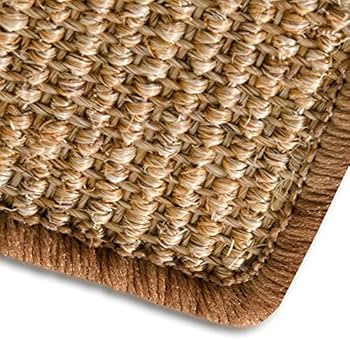
Custom-sized rugs made from natural fibers allow homeowners and designers to adapt flooring solutions to unique layouts and design goals. Instead of relying on standard dimensions, custom rugs can be tailored to specific rooms, hallways, staircases, or open-plan living spaces. This flexibility allows interiors to feel balanced and intentional rather than constrained by pre-made sizes.
In this guide, we explore how custom sisal rugs enhance interior design, the advantages of natural fiber rugs, and the practical considerations that help homeowners choose the right rug for their living spaces.
Why natural fiber rugs are becoming a preferred choice in modern sustainable interior design concepts
Sustainability has become a major influence in modern interior design. Natural fiber rugs align perfectly with this movement because they are made from renewable plant-based materials that have minimal environmental impact.
Sisal fibers are harvested from the agave plant, which grows quickly and can be cultivated with relatively low environmental cost. These fibers are strong, flexible, and durable, making them suitable for woven rugs and carpets used in residential and commercial spaces.
Several factors explain the growing popularity of natural fiber rugs:
- Eco-friendly materials that reduce reliance on synthetic fibers
- Biodegradable properties that support sustainable living
- Neutral color palettes that complement many interior styles
- Durability suitable for everyday living spaces
Many homeowners researching sustainable flooring options begin by exploring custom sisal rugs because they combine natural beauty with practical functionality.
In addition to sustainability, the understated elegance of natural fibers helps create interiors that feel calm, organic, and timeless.
How custom sizing helps rugs fit unique living spaces, staircases, hallways, and open-plan interiors
Standard rug sizes often fail to accommodate the diverse layouts found in modern homes. Custom rugs provide a solution by allowing exact dimensions that match the proportions of a space.
Advantages of custom sizing
Perfect room proportions
A custom rug can be designed to fit precisely under furniture arrangements, ensuring the layout feels balanced.
Hallway runners
Narrow hallways benefit from custom runners that follow the length of the space without leaving awkward gaps.
Staircase installations
Natural fiber runners can be tailored to staircase dimensions, improving both appearance and safety.
Open-plan interiors
Large living areas often require oversized rugs to visually anchor seating zones.
Because of these advantages, designers frequently recommend custom sizing when working with natural flooring materials.
The design flexibility offered by natural fiber rugs in terms of borders, shapes, textures, and weaving patterns
Custom sisal rugs offer far more flexibility than standard factory-made rugs. Designers can modify multiple elements to achieve the desired visual effect.
Border customization
Borders help frame the rug and integrate it with surrounding décor. Popular border materials include:
- Cotton
- Linen
- Leather
- Fabric tape
Shape variations
Although rectangular rugs are most common, custom designs allow other shapes, such as:
- Circular rugs for dining areas
- Oval rugs for entryways
- Long runners for corridors
Weaving styles
Sisal rugs come in several weaving patterns that influence texture and durability.
Examples include:
- Bouclé weave for a tightly looped texture
- Herringbone weave for subtle geometric interest
- Basket weave for a thicker, more textured surface
These options allow homeowners to create rugs that align with their design preferences while maintaining the natural aesthetic of plant-based fibers.
Important factors to consider when choosing natural fiber rugs for residential and commercial environments
Selecting the right natural fiber rug requires consideration of several practical factors. While sisal is durable, it performs best under specific conditions.
Traffic levels
High-traffic areas may require tighter weaves that resist wear and maintain structure.
Lighting conditions
Natural fibers look different depending on lighting. Bright spaces highlight the texture and color variation of sisal.
Room function
Certain rooms benefit more from natural fiber rugs than others. For example:
- Living rooms
- Bedrooms
- Home offices
- Hallways
Moisture exposure
Sisal fibers absorb moisture easily. For this reason, they are typically avoided in bathrooms or areas prone to spills.
In spaces that require stronger moisture resistance, homeowners sometimes explore alternatives like sea grass carpet, which has a smoother and more water-resistant surface.
Understanding these factors helps ensure the rug performs well in its intended environment.
How neutral rug textures complement minimalist, coastal, and Scandinavian-inspired interior styles
One of the greatest strengths of sisal rugs is their ability to integrate seamlessly into a variety of interior design styles. Their neutral tones and natural textures make them highly versatile.
Minimalist interiors
Minimalist spaces emphasize simplicity and clean lines. Sisal rugs support this aesthetic by providing texture without overwhelming the design.
Coastal-inspired homes
Coastal interiors often feature light colors, organic materials, and relaxed atmospheres. The natural tones of sisal complement wood, linen, and soft blue accents commonly used in coastal décor.
Scandinavian design
Scandinavian interiors prioritize natural light, simple materials, and functional design. Sisal rugs enhance these spaces by adding warmth and subtle texture.
For example, pairing neutral natural rugs with accent elements like white carpet pieces can create layered visual contrast while preserving a calm, airy atmosphere.
This adaptability makes sisal rugs a reliable foundation for many interior design approaches.
The durability advantages of natural plant fibers compared with many synthetic rug materials
Durability is one of the main reasons homeowners choose sisal rugs. The fibers used in sisal are exceptionally strong, making them suitable for areas with moderate foot traffic.
Strength of sisal fibers
Sisal fibers have a naturally coarse structure that resists wear and tearing. This structural strength allows the rug to maintain its shape and texture even with regular use.
Long-term performance
Compared with some synthetic rugs that flatten quickly, sisal rugs maintain their woven texture over time.
Static resistance
Natural fibers tend to produce less static electricity than synthetic carpets, which can improve comfort in dry environments.
Structural stability
When woven tightly, sisal rugs remain stable and less likely to shift or wrinkle on the floor.
These characteristics make sisal rugs a reliable flooring option for households seeking long-lasting natural materials.
Interior design strategies for layering natural fiber rugs with other flooring materials and decorative elements
Layering rugs has become a popular design technique that adds depth and visual interest to interiors.
Layering techniques
Designers often combine natural fiber rugs with softer decorative rugs to create contrast.
Examples include:
- Placing a patterned rug on top of a large sisal base rug
- Layering small decorative rugs in seating areas
- Using natural runners along wooden flooring
Benefits of layering
Layering offers several advantages:
- Adds visual dimension to a room
- Protects underlying flooring surfaces
- Allows flexible design changes without replacing the entire rug
Custom finishing techniques also contribute to durability and design quality. For example, professional carpet stitching can secure edges and borders, ensuring the rug maintains its shape and structure for many years.
Layering and finishing techniques together help natural fiber rugs function as both practical flooring and decorative design elements.
Maintenance habits that help preserve the appearance and structure of natural fiber rugs for many years
Proper care is essential to maintain the beauty and durability of natural fiber rugs.
Regular cleaning
Frequent vacuuming removes dirt particles that can wear down fibers over time.
Immediate stain treatment
Spills should be blotted immediately with a dry cloth to prevent absorption.
Rotating the rug
Rotating the rug every few months helps distribute wear evenly across the surface.
Protecting high-traffic areas
Placing mats near entrances reduces the amount of dirt brought into the home.
Avoiding excessive moisture
Because sisal absorbs water easily, wet cleaning methods should be avoided whenever possible.
With consistent care and maintenance, natural fiber rugs can remain attractive and durable for many years.
Conclusion
Custom sisal rugs offer a unique combination of sustainability, durability, and design flexibility. Their natural texture enhances interior spaces while supporting environmentally responsible design choices.
By allowing precise sizing, customizable borders, and versatile weaving patterns, custom rugs adapt easily to a wide range of interior layouts. When paired with thoughtful design strategies and proper maintenance, sisal rugs can serve as long-lasting and visually appealing flooring solutions.
As sustainable design continues to influence modern architecture and home décor, natural fiber rugs remain an important element for creating interiors that feel both stylish and environmentally conscious.
FAQs
What are the advantages of choosing custom-sized natural fiber rugs?
Custom-sized rugs allow homeowners to match the exact dimensions of a space. This ensures better furniture placement, improved room proportions, and a more balanced interior layout.
Are natural fiber rugs suitable for high-traffic areas in homes or offices?
Natural fiber rugs such as sisal can handle moderate foot traffic. However, very high-traffic areas may require tighter weaves or alternative flooring materials.
How do designers match rug textures with different interior design styles?
Designers consider the color palette, furniture materials, and lighting conditions of a room. Neutral natural textures often complement minimalist, coastal, and Scandinavian interiors.
What factors affect the lifespan of natural fiber rugs in everyday use?
Durability depends on fiber quality, weaving style, foot traffic levels, and maintenance practices such as regular vacuuming and proper stain removal.
How should natural fiber rugs be cleaned and maintained properly?
Regular vacuuming, immediate spill treatment, and avoiding excessive moisture are key maintenance practices that help natural fiber rugs remain durable and visually appealing