
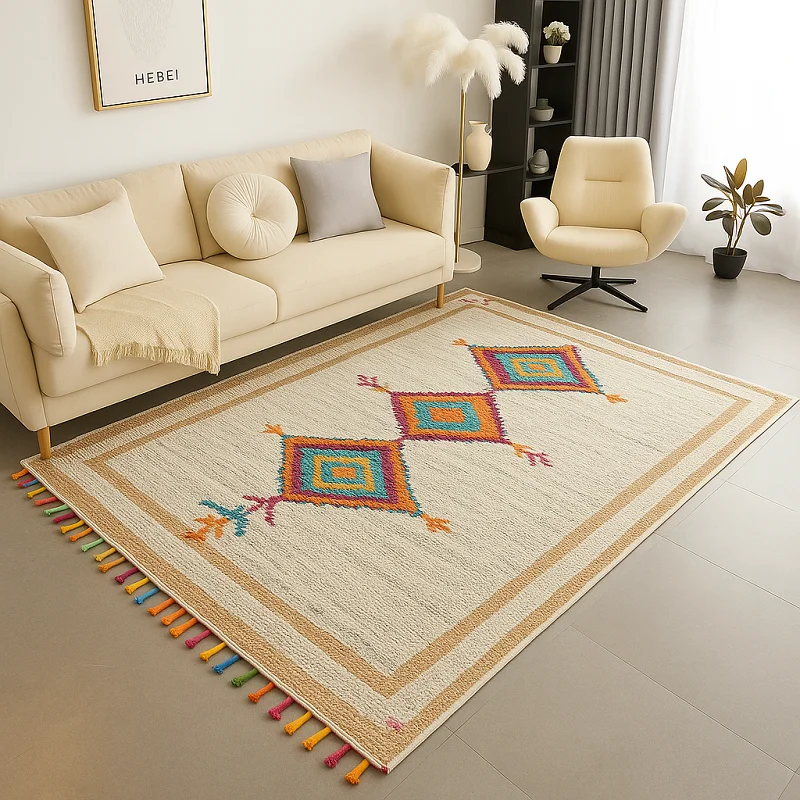
Persian carpets have long been associated with craftsmanship, heritage, and refined interior design. In modern homes, they are no longer limited to classic settings but are increasingly used as statement pieces within contemporary spaces. Their detailed patterns, handwoven quality, and cultural depth make them a natural choice for homeowners seeking character and longevity. Beyond aesthetics, buyers must understand quality indicators, placement strategies, and care requirements before investing. This guide explores how Persian carpets function as luxury design elements, how to evaluate authenticity, and how they integrate into today’s interiors without overwhelming the space.
Historical significance of persian carpets in global decor
The legacy of persian carpets spans centuries, rooted in regional weaving traditions that prioritized durability and symbolism. Historically, these carpets were not just decorative items but functional art used to insulate homes and express cultural identity.
Each region developed distinctive motifs, color palettes, and knotting techniques. These design elements later influenced global interior trends, making Persian carpets highly sought after in both Eastern and Western markets.
Their historical relevance contributes to their lasting appeal. Unlike trend-driven rugs, Persian carpets retain value because they represent continuity, craftsmanship, and authenticity. This heritage-driven design gives them a timeless quality that adapts easily to evolving interior styles.
Craftsmanship techniques used in authentic persian rugs
Authentic Persian rugs are defined by hand-knotting techniques passed down through generations. The density of knots per square inch directly affects durability and detail clarity. Higher knot counts allow for intricate patterns and smoother finishes.
Natural dyes derived from plants and minerals are another hallmark. These dyes age gracefully, developing depth rather than fading harshly. Wool quality also matters, as softer fibers allow tighter knots and better resilience.
Handmade processes ensure that no two rugs are exactly alike. Minor variations are considered marks of authenticity rather than flaws. Understanding these techniques helps buyers distinguish genuine craftsmanship from mass-produced imitations.
How to identify quality when shopping at carpet stores
Selecting Persian carpets from reputable carpet store dubai locations reduces the risk of counterfeit products. Trusted retailers provide transparency regarding origin, materials, and weaving methods.
Buyers should inspect:
- Knot density and consistency
- Backside clarity of the pattern
- Natural color variation
- Edge and fringe finishing
Professional stores also offer guidance on suitability for different rooms and traffic levels. This expertise ensures that the carpet not only looks luxurious but performs reliably in real living environments.
Color symbolism and patterns in traditional persian designs
Persian carpets use color and pattern to convey meaning. Reds often symbolize vitality, blues represent protection, and earth tones reflect harmony with nature. Patterns range from floral medallions to geometric repeats, each tied to regional traditions.
Understanding symbolism allows homeowners to select rugs that resonate personally while complementing interior color schemes. In modern spaces, these patterns add visual interest without requiring additional decorative layers.
Strategic color selection helps Persian carpets act as focal points rather than visual clutter.
Best rooms to showcase persian carpets at home
Placement influences how Persian carpets are perceived. Living rooms and formal sitting areas are ideal for showcasing detailed designs. Bedrooms benefit from softer patterns that add warmth without distraction.
Dining rooms require careful sizing to ensure chairs remain on the rug when pulled out. Low-traffic areas preserve intricate detailing over time.
Matching room function to rug characteristics maximizes both visual impact and longevity.
Preservation and care tips for handmade persian rugs
Proper care protects investment value. Regular vacuuming removes dust, while rotation ensures even wear. Direct sunlight should be limited to prevent uneven fading.
Professional cleaning is recommended every few years. Avoid harsh chemicals and excessive moisture, which can damage fibers and dyes.
Conclusion and FAQs combined
Persian carpets combine artistry and function, making them enduring design investments when chosen and maintained carefully.
FAQs
What makes persian carpets different from other rugs?
They are handwoven with cultural symbolism and high durability.
How can you verify authentic persian rugs?
Check knot density, materials, and retailer credibility.
Are persian carpets suitable for modern interiors?
Yes, they add contrast and depth.
How should persian carpets be cleaned safely?
Use professional cleaning methods.
Do persian carpets increase in value over time?
High-quality pieces often retain or gain value.