
Natural flooring solutions have gained significant attention in modern interior design due to their durability, sustainability, and timeless appearance. Among these options, fiber-based coverings stand out for their strength and versatility in both residential and commercial environments.
Understanding how natural materials are processed, installed, and maintained helps homeowners and designers make informed decisions. This guide explains the characteristics, benefits, and practical uses of these materials in detail, while exploring their role in contemporary spaces.
Understanding What a Sisal Rug Is and How It Is Made From Natural Fibers
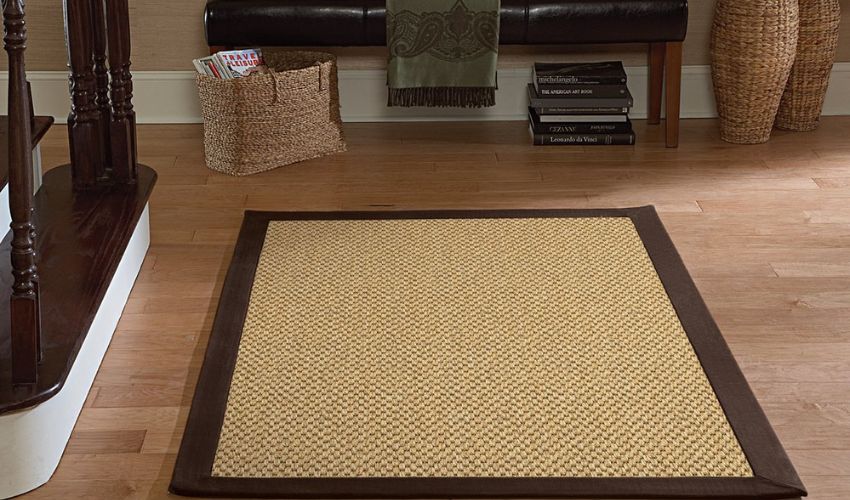
A sisal rug is a floor covering made from fibers extracted from the leaves of the agave plant. These fibers are known for their strength, texture, and natural appearance. After harvesting, the leaves are processed to separate the fibers, which are then cleaned, dried, spun, and woven into durable floor textiles.
The production process typically includes:
- Harvesting mature agave leaves
- Extracting and separating fibers
- Washing and drying the fibers
- Spinning fibers into yarn
- Weaving yarn into rug or carpet formats
Because the fibers are plant-based, the finished product offers a natural texture that complements minimalist, rustic, and modern interiors. For detailed product information and variations, you can explore options such as a sisal rug.
Sisal rugs are widely appreciated for their firm surface structure, which provides stability underfoot. Their tight weave helps maintain shape over time, making them suitable for areas with moderate to heavy foot traffic.
Explaining the Benefits of Using Natural Fiber Rugs in Modern Interiors
Natural fiber rugs offer several practical and aesthetic advantages. Their neutral tones and organic textures make them adaptable to different interior themes, from contemporary apartments to traditional homes.
Key benefits include:
- Durability: Strong fibers resist wear and maintain structure.
- Sustainability: Made from renewable plant materials.
- Breathability: Allows air circulation, reducing moisture buildup.
- Low Chemical Processing: Often minimally treated compared to synthetic alternatives.
- Timeless Appearance: Natural tones complement many design styles.
In modern interior planning, sustainability is an important consideration. Designers often select eco-conscious materials to reduce environmental impact while maintaining performance standards. For those exploring regional availability and specifications, more information about sisal carpet uae options can help in understanding how these products fit local climate conditions.
Natural fiber rugs are particularly suitable for living rooms, hallways, and office environments where durability and understated aesthetics are priorities.
How a Coir Carpet Is Manufactured and Where It Is Commonly Used
A coir carpet is made from fibers extracted from coconut husks. The husks are soaked, processed, and mechanically separated to obtain strong fibers. These fibers are then cleaned, dried, and woven into carpets or mats.
The manufacturing stages generally include:
- Retting (soaking husks to loosen fibers)
- Fiber extraction
- Cleaning and grading
- Spinning into yarn
- Weaving into finished carpet form
Coir fibers are known for their resilience and coarse texture. Because of their strength and resistance to moisture, coir carpets are commonly used in entryways, staircases, and utility areas.
Coir materials are also valued for their natural brown tones, which blend well with earthy interior palettes. They can serve as functional flooring in both residential and commercial spaces, especially where durability is required.
Key Differences Between Sisal Flooring Options in Residential Spaces
Sisal flooring solutions vary in weave style, thickness, and finishing. Understanding these differences helps in selecting the most suitable option for specific rooms.
Important distinctions include:
- Weave Density: Tighter weaves offer smoother surfaces.
- Texture Level: Some designs feel softer, while others are more rigid.
- Backing Type: Different backing materials influence stability.
- Installation Method: Can be fitted as wall-to-wall carpet or as area rugs.
When comparing natural flooring types, it is helpful to evaluate durability, comfort level, and maintenance needs. Products designed for regional markets often reflect environmental conditions and usage patterns. Exploring fire proof carpet options may also be relevant for spaces requiring enhanced safety standards.
In residential environments, sisal flooring is frequently installed in living rooms, corridors, and study areas due to its structured surface and long-lasting nature.
How to Evaluate Sisal Carpet UAE Options for Climate and Durability
When selecting natural fiber flooring in warm climates, it is important to consider humidity, temperature fluctuations, and ventilation. Materials should be evaluated based on their performance under local environmental conditions.
Factors to assess include:
- Resistance to moisture exposure
- Structural stability in high temperatures
- Ease of cleaning and maintenance
- Compatibility with underfloor systems
- Long-term wear performance
In regions with warm weather, durability becomes a primary concern. Reviewing specifications for sisal carpet uae products helps ensure the material meets regional requirements.
Proper installation and regular maintenance contribute significantly to lifespan. Vacuuming, prompt spill management, and avoiding excessive moisture help preserve fiber integrity. These practices maintain both appearance and structural quality over time.
Understanding Fire Safety Features in a Fire Proof Carpet Design
Fire safety is an important consideration in both residential and commercial interiors. Certain carpet designs are engineered with enhanced resistance characteristics to slow flame spread and improve safety performance.
A fire proof carpet may include:
- Specialized fiber treatments
- Flame-retardant backing materials
- Compliance with safety standards
- Enhanced resistance to ignition
These features are particularly important in offices, public buildings, and high-traffic environments. Understanding material composition and certification standards is essential when evaluating flooring for safety compliance.
To learn more about safety-oriented flooring solutions, reviewing fire proof carpet specifications can provide insight into how these products are designed for improved protection.
While no textile material is completely immune to fire, treated designs aim to reduce risk and improve response time in emergency situations.
Conclusion
Natural fiber flooring options provide a balance of durability, sustainability, and aesthetic versatility. Whether selecting a sisal-based product, exploring coir alternatives, or considering safety-enhanced designs, understanding material composition and usage environments is essential.
By evaluating structural features, climate suitability, and installation methods, homeowners and designers can choose solutions that align with both functional and visual requirements. Natural flooring continues to play an important role in modern interior design due to its strength and timeless appeal.
FAQs
What is a sisal rug made from?
It is made from natural fibers extracted from the agave plant.
How does a coir carpet differ from other natural carpets?
Coir carpets are made from coconut husk fibers, which are typically coarser and highly durable.
What are the benefits of sisal flooring in homes?
It offers durability, sustainability, natural aesthetics, and long-term structural stability.
Is sisal carpet suitable for high-traffic areas?
Yes, due to its strong fiber structure and tight weave.
How does a fire proof carpet improve safety?
It incorporates materials and treatments designed to slow flame spread and enhance fire resistance.
Where can sisal flooring be commonly installed?
It is often used in living rooms, hallways, offices, and other moderate to high-traffic spaces.