
Natural flooring solutions have become an essential part of modern interior design due to their sustainability, durability, and timeless visual appeal. Among these options, fiber-based rugs stand out for their ability to combine practicality with aesthetic value. Understanding how these materials function in different environments helps homeowners and designers make informed decisions.
Choosing the right rug involves evaluating texture, durability, environmental impact, and suitability for specific rooms. This guide explores the characteristics of natural fiber rugs, their design applications, and how they contribute to both comfort and style in residential and commercial spaces.
What Sisal Rugs Are and Why They Are Popular in Interior Design Projects
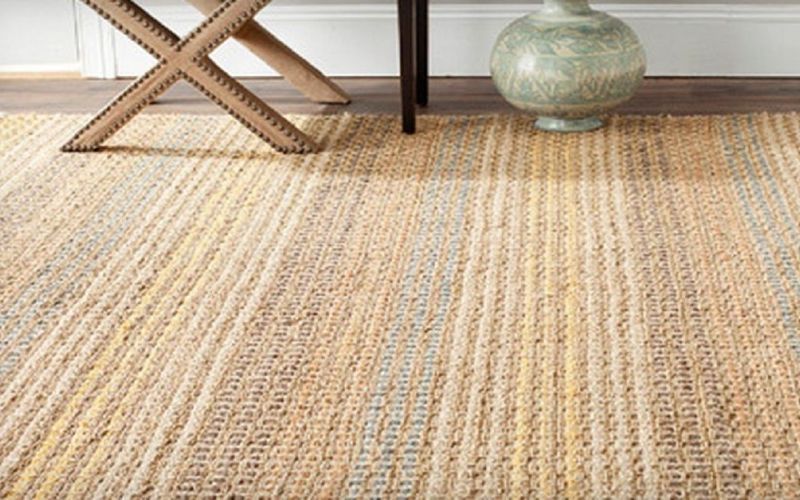
Sisal rugs are floor coverings made from natural fibers derived from the agave plant. These fibers are harvested, processed, cleaned, and woven into durable textiles suitable for flooring applications. Their structured weave and firm texture make them ideal for spaces that require strength and long-term performance.
One reason for their popularity in interior design is their neutral appearance. The natural beige and earthy tones complement various color palettes, from minimalist interiors to traditional spaces. Designers often use them as foundational pieces because they provide visual balance without overwhelming other decor elements.
Sisal rugs are commonly selected for:
- Living rooms
- Hallways and corridors
- Office environments
- Entry spaces
- Study rooms
For additional details about natural fiber options, you can explore products such as sisal rugs, which provide insight into design variations and material characteristics.
Their structured surface also helps define spaces in open-plan layouts, making them useful in modern architectural designs.
The Environmental Benefits and Sustainability of Sisal-Based Flooring
Sustainability is a major factor influencing material selection in contemporary interiors. Sisal-based flooring is considered environmentally responsible because it is made from renewable plant resources. The agave plant grows efficiently in suitable climates and requires relatively low chemical input compared to synthetic materials.
Key sustainability advantages include:
- Renewable raw materials
- Biodegradable fiber composition
- Lower reliance on petroleum-based production
- Minimal processing in many manufacturing methods
Because of these qualities, sisal rugs are often used in eco-conscious design projects. They align with green building concepts and support efforts to reduce environmental impact in interior construction.
Designers who prioritize sustainable aesthetics often combine natural rugs with wood, stone, or recycled materials to create cohesive interiors. When exploring environmentally aligned options, reviewing information related to green carpets can help understand how natural tones and eco-focused materials contribute to sustainable design strategies.
These flooring solutions support long-term environmental planning while maintaining functionality and style.
How Luxury Carpet Materials Differ From Standard Carpet Options
Luxury carpet materials are distinguished by their refined texture, advanced construction techniques, and enhanced durability. While standard carpets may focus primarily on affordability and basic functionality, luxury options emphasize comfort, design detail, and long-term performance.
Differences often include:
- Higher-quality fiber selection
- Advanced weaving technology
- Improved backing systems
- Enhanced aesthetic detailing
- Greater texture consistency
Luxury flooring solutions are frequently used in upscale residences, hotels, and premium commercial environments. They are designed to offer a combination of softness, resilience, and visual sophistication.
When comparing flooring categories, it is important to evaluate texture, maintenance requirements, and intended usage. For those researching premium design possibilities, examining luxury carpet resources can provide broader insight into high-end material standards and construction approaches.
Understanding these distinctions helps ensure the chosen flooring aligns with both design expectations and functional requirements.
Understanding the Use of Green Carpets in Eco-Friendly Spaces
Green carpets are often associated with environmentally conscious interior planning. These materials may incorporate sustainable fibers, eco-friendly dyes, and production processes that reduce environmental impact. In many cases, they are selected to support certifications or green building initiatives.
Applications of green carpets include:
- Sustainable office spaces
- Educational facilities
- Residential eco-homes
- Public buildings with environmental standards
The use of natural colors and materials creates a calming atmosphere while reinforcing sustainability goals. Designers often combine these carpets with energy-efficient lighting and recyclable furniture to enhance overall environmental performance.
When evaluating eco-friendly flooring options, reviewing details about green carpets can help clarify material composition and suitability for different interior concepts.
These solutions contribute to responsible design while maintaining practical functionality in daily use.
How Fire Resistant Carpet Technology Works in Everyday Applications
Fire-resistant carpet technology is designed to improve safety by slowing flame spread and reducing ignition risk. While no textile material is entirely fireproof, specific treatments and construction methods enhance resistance and compliance with safety regulations.
Common safety features may include:
- Flame-retardant fiber treatments
- Specialized backing materials
- Compliance with building safety standards
- Enhanced performance in commercial settings
These carpets are particularly important in offices, public buildings, hotels, and other environments where fire safety regulations are strict. They support risk reduction strategies and provide additional protection in case of emergency situations.
Understanding how these materials are engineered is essential for informed decision-making. To explore safety-oriented flooring solutions, reviewing information about fire resistant carpet can provide deeper insights into construction standards and protective features.
Fire-resistant designs contribute to comprehensive safety planning in both residential and commercial projects.
Factors to Consider When Selecting Natural Fiber Rugs for Different Rooms
Choosing natural fiber rugs requires careful evaluation of room function, traffic levels, and environmental conditions. Different spaces have distinct requirements, and matching the rug type to the room enhances longevity and performance.
Important considerations include:
- Traffic intensity
- Exposure to moisture
- Sunlight levels
- Cleaning and maintenance needs
- Acoustic performance
- Furniture placement
For high-traffic areas, durability and structural integrity are essential. In quieter spaces such as bedrooms or reading rooms, texture and comfort may take priority. Natural fiber rugs are especially effective in areas where stability and understated elegance are desired.
Maintenance practices also influence performance. Regular vacuuming, prompt spill management, and avoiding excessive moisture help preserve fiber quality. Proper underlay selection can further improve comfort and extend lifespan.
By analyzing room requirements carefully, homeowners can ensure that their flooring choice supports both functional needs and interior design objectives.
Conclusion
Natural fiber rugs and advanced carpet solutions offer versatile options for modern interiors. From sustainable materials to safety-enhanced designs, these flooring types support a wide range of architectural and environmental goals. Understanding fiber composition, durability, and application context allows for informed selection and long-term satisfaction.
Whether prioritizing sustainability, design elegance, or safety performance, natural and engineered carpets contribute significantly to functional and visually balanced spaces.
FAQs
What are sisal rugs used for?
They are commonly used in living rooms, offices, hallways, and other interior spaces that require durable flooring.
How do luxury carpet materials differ from regular carpets?
Luxury carpets typically feature higher-quality fibers, advanced construction methods, and enhanced texture details.
Why are green carpets considered environmentally friendly?
They often use sustainable materials, eco-conscious dyes, and responsible manufacturing processes.
What makes a carpet fire resistant?
Special treatments, fiber selection, and backing materials help slow flame spread and improve safety performance.
Are sisal rugs suitable for living rooms and offices?
Yes, their durability and neutral appearance make them appropriate for these environments.
How should natural fiber rugs be maintained?
Regular vacuuming, careful cleaning, and avoiding excess moisture help preserve their structure and appearance.